



Turkey’s economy prospers as foreign direct investment grows

Turkey’s FDI performance in 2013 was reassuringly fine; according to year-end provisional data, the country attracted $12.9bn of FDI in 2013. Although the final figures have not been released yet, the amount is expected to be above that of 2012. Looking at provisional figures, 20 percent of the current account deficit was financed through FDI in 2013.

On a country basis, Germany was the largest investor in Turkey in 2013, followed by the Netherlands, Russia, Azerbaijan and Austria. With respect to the sectorial breakdown, the most attractive sector in 2013 was financial services, with over $3.7bn, followed by energy and manufacturing with $2.5bn and $2bn respectively.

$12.9bn

FDI in Turkey, 2013

Moreover, a geographical breakdown shows Turkey continues to diversify the sources of FDI inflows: it is attracting investments from new sources such as India, Japan, Russia, Malaysia and the Gulf countries, as well as the US. The EU share decreased from 68 percent to 52 percent, while Asia’s share soared to 31 percent, up from 22 percent. However, with the economic recovery, the EU may again increase its share in 2014 and 2015.

Turkey in competition
As is well known, in parallel with globalisation, many countries are in fierce competition to attract more high value-added, technology-intensive and greenfield investments. In terms of greenfield investments, Turkey is among the top 20 FDI recipient countries, with $9.5bn worth of projects announced last year. Turkey enjoyed an eight percent increase in greenfield investments and this made Turkey the 19th most attractive investment destination for greenfield investments.

The Investment Support and Promotion Agency of Turkey (ISPAT) continues to support high value-added greenfield investments in Turkey. Turkey’s favourable investment climate has recently attracted many prominent multinational companies to the country.

3M is investing $500m in Turkey. The investment project is incorporating sophisticated technology and creating highly-qualified employment for a workforce of more than 1,000 people.

India-based global giant, Aditya Birla Group is investing $510m in Turkey’s Adana region for the production of ‘viscose staple’ fibre, a material that is currently not produced in Turkey. The investment project is slated for completion over the next five years, while 20 percent of the facility’s production will be allocated for exports.

Dow Chemicals formed a joint venture with Turkey’s Aksa Akrilik Kimya Sanayii, part of the Akkök Group (a Turkish conglomerate). This investment is expected to offer integrated carbon fibre composite solutions to the growing global energy, transportation and infrastructure markets. The total amount of investment in the project, including third-party investments, is expected to reach $1bn in five years and create 1,000 employment opportunities.

Sumitomo Rubber Industries, the first local tyre producer in Japan, formed a joint venture with Abdülkadir Özcan Automotive Tyres, investing around $500m in the Central Anatolian province of Çankırı. Sumitomo currently has eight tyre production facilities globally: four in Japan and another four in the rest of Asia. The facility in Çankırı stands out as the group’s first production facility in the region.

Italy’s Recordati, a leading name in the European pharmaceuticals industry with a wide range of medicinal products, announced a manufacturing investment of $50m in Turkey. The plant, to be built in Cerkezkoy Organised Industrial Zone, located in Tekirdag Province in northwestern Turkey, will supply drugs for various therapeutic uses, at a rate of 80 million packs a year, creating 130 new jobs.

Future growth
While ISPAT continues to promote Turkey’s investment opportunities, more will emerge with the realisation of Turkey’s ambitious targets for 2023, the centennial celebration of the foundation of the Republic of Turkey. The government has set specific targets to achieve by 2023, ranging from healthcare to the economy, from defence to education, and from energy to transportation. These targets include becoming one of the top 10 economies in the world, with a GDP of $2trn, and increasing export revenues to $500bn.

With its favourable investment environment, Turkey continues to be a safe harbour for international investors in the region, and the rise of greenfield investments is a good indicator of the investors’ high confidence in the future of the Turkish economy. High value-added, technology-intensive and greenfield projects were on the rise in 2013 and this trend is expected to continue in the future.

For further information visit www.invest.gov.tr
Samsung’s profits fall again as smartphone market declines

Samsung Electronic’s profits are down for a third consecutive quarter, as the firm struggles to contend with a continued decline in the smartphone market and the won’s appreciation. According to company forecasts, Samsung’s second quarter profits are expected to come in at 7.2trn won, 25 percent short on the same quarter a year previous at 9.5trn won.

A packed release schedule over the second half of the year shows that Samsung believes its performance will pick up in the months ahead

‘Samsung Electronics’ weak 2Q earnings forecast is the result of the strong Korean currency, declined smartphone and tablet shipments, and increased marketing expenses to reduce inventories,’ according to a company statement. ‘The weak demand for IM products also affected the Display and the System LSI businesses’ the second quarter performance.’

The smartphone market has slowed, particularly in developed markets, where consumers are not so easily drawn by the bells and whistles offered by each manufacturer and mobiles don’t decay as fast as they have done, according to Ben Wood, Chief of Research at CCS Insight.

The firm cited poor demand in both China and Europe as part reasoning for its weaker-than-expected results, although the rise of low-cost mobile manufacturers in emerging markets, particularly in China, is also taking a large chunk of Samsung’s market share. The introduction of Lenovo, Huawei and Xiaomi in particular has tested Samsung’s mobile prowess of late, with many consumers in developing markets opting instead for the comparatively cheaper handsets offered by the three. “Personally, I’d be more concerned about the challenges facing Samsung in Chinese markets as opposed to European ones,” says Wood. “Burgeoning Chinese manufacturers are offering extremely attractive devices and represent a competitive threat both inside and outside of China.”

The company’s telecommunications division accounts for more than 70 percent of total earnings, so a slowdown in demand has had a hugely negative impact on Samsung’s profitability, and will continue to do so for as long as Samsung remains dependent upon it.

The smartphone maker’s results – however poor – fell short of analyst expectations, although the second quarter is a typically weak period for mobile phone sales, and many in the know will be reserving judgment for the third quarter before drawing their conclusions about Samsung’s prospects.

A packed release schedule over the second half of the year shows that Samsung believes its performance will pick up in the months ahead, and a great deal of the firm’s expectations are resting on the soon-to-come Galaxy Note and a newly released tablet.

Although Samsung remains the number one mobile manufacturer in the world by some margin, the results show that brand loyalty is failing and growth is nowhere near as assured as it was in years passed. “Samsun is the biggest player in the market, so it will always be disproportionately hit by challenges,” says Wood. “I wouldn’t go so far as to say this golden era is coming to an end for Samsung, and ultimately its breadth is what will save Samsung.”

Interview: printed prosthetics to disrupt healthcare industry

As people continue to live longer and countries become more developed, the need for wider healthcare cover is becoming starker. The increase in costs associated with providing people with the health services they need has proved a challenge to governments and healthcare firms the world over.

While many expect 3D printing (or more correctly, ‘additive manufacturing’) to revolutionise a number of health-related industries, in particular prosthetics, there have been difficulties in finding the right materials that will get the best results from the technology. However, recent years have seen advances that may provide the industry with the disruptive technology to bring about this shift in price and provision.

The firm has long been an expert in providing a range of internal process technology with additives and formulations

One firm that has been leading the way in developing materials for prosthetics, while utilising advanced 3D printing technologies, is US-based Oxford Performance Materials (OPM). The firm has long been an expert in providing a range of internal process technology with additives and formulations prior to printing for a number of markets, most notably in the area of advanced materials for prosthetics. OPM has established itself as a leader in ‘high performance additive manufacturing’, delivering fully functional end-use products by focusing on the optimal material selection, process development, engineering expertise and product validation. The company was selected in 2012 as a key participant in the US government’s National Additive Manufacturing Innovation Institute.

OPM’s use of additive manufacturing offers a different proposal from normal 3D printing (which most frequently refers to rapid prototyping, the production of representations of functional products for planning and development purposes), and the company is developing a range of products that could revolutionise healthcare. OPM recently developed a prosthetic skull and ‘prints’ a range of cranial prostheses for implant each week. With the help of the technology, which received FDA clearance last year, it could prove groundbreaking for people with serious head injuries. OPM is also working towards FDA clearances for its OsteoFab devices designed for mid-face, spine and foot indications.

OPM’s CEO Scott DeFelice spoke to us about the potential of additive manufacturing for the healthcare industry, and why his company is “offering more for less”.

How has OPM grown over the years?
OPM was founded in 2000 as a materials company, working on one particular molecule called PEKK (polyetherketoneketone), which is a high performance thermoplastic. We traditionally sold materials into a number of different industries, such as biomedical, aerospace, semiconductors and energy, where we helped with the extraction of oil and gas. So we’ve always sold this high value material.

It was around 2005 that we started selling implantable materials. We did all of the heavy lifting necessary to establish biocompatibility and purity, and then began selling bars of the material for orthopaedic use, primarily for spine and spinal fusion. There’s a long history of this material being used in tens of thousands of surgical procedures, so this particular class of polymers has been known to be pure and compatible with the body.

From 2005 onward, we started to think about 3D printing of PEKK. We started talking to surgeons, and the consensus was that, if we could print our materials it would be highly beneficial. We ended up purchasing some highly advanced 3D printing equipment from EOS, which is a German manufacturer of laser sintering machines. We licensed some technologies from them so we could use our own materials in their equipment.

In March 2013, we got our first FDA implant clearance, which was the cranial prosthesis, called OsteoFab Patient Specific Cranial Device. We subsequently engaged market leader Biomet to handle global distribution on that product. At present, we’re manufacturing the cranial products for Europe, the US, the Middle East, South America, South Africa, and we’ve just filed for Japan.

How can 3D printing enhance the surgical and treatment options for patients?
With 3D printing, the potential to make a shape from a digital file has been around for 25 years. So what’s revolutionary is not that you have a process that can do that, it’s that you can have a process that utilises a material that has the utility to do that. The value chain for rapid prototyping has been led by machine suppliers that bundle hardware, software and materials. Bundling is possible in that area since the physical shape of the part typically drives product value (and not its mechanical performance or functionality). In contrast, OPM’s value chain is driven by many factors: the right material (or materials) needed to satisfy the desired product or part functionality combined with the process engineering necessary for production.

We call it ‘high performance additive manufacturing’ or ‘HPAM’ – we align specific materials development and engineering processes to efficiently ‘print useful things’. There’s no generic statement that covers 3D printing: there’s a multitude of 3D printing processes. When you look at those processes, some will never have the ability to print useful things, and some will: some of them are developing highly desirable economies of scale, and some of them aren’t. We have tried to focus on the particular space where we’re printing useful things and we enjoy highly desirable economics from the technology we’ve developed.

Are there any technological developments in medical 3D printing in the pipeline?
The near to medium term products we’re developing are for cranial, mid-face, spine, diabetic, and foot trauma products. For the medium to longer term, we’re focusing on drug eluting implants that can deliver therapeutics.

In the coming months, we will be announcing a cooperation with a world-renowned research university. We will be entering into joint development activity, including specific advances into that area of drug eluting implants. This is primarily to address implant related infections, and is all enabled by novel capabilities of additive manufacturing.

Isn’t 3D printing still relatively unaffordable for many patients? What can be done to challenge that?
The rising cost of healthcare is a global issue that cannot be ignored. In short, we need to provide healthcare to more people and do it with less money.

Our proposition is that the current materials and processes that have been used to solve healthcare problems in orthopaedics – which is our particular area of interest with 3D printing – have really run up against a wall in how far they can reduce costs and how far they can advance clinical efficacy. Our proposition is that going from metals to the PEKK polymer – which is more bone-like in composition and behaviour, less expensive, and easier to work with from a surgical point of view – is a disruptive change that will allow the industry to respond to those big trends.

We’ve already achieved our original goal of providing OsteoFab clinical solutions at equal or lower cost to current orthopedic implant options – ‘more for less’. And when you include the additional benefits our patient-specific devices are designed to deliver – reduced operating room time, reduced complications, less revision surgeries – the overall system costs savings and patient benefits are substantial.

What is exciting about this technology is that additional complexity does not significantly increase manufacturing cost. As a result, we believe that AM has the potential to provide improved healthcare in orthopaedics on a global scale – for developed and developing countries. This is important and necessary.

How do you see this technology spreading around the world?
I think that, within the next five years, you’re going to see a lot of product movement. Within the next 15 years, all major joints will be made this way – patient-specific, personalised medicine, where the end-use functional needs drive the composition and the process. The big markets, such as knees and hips, will be adopting this technology.

We are already seeing an evolution from standard ‘3D prototype’ machine offers to integrated, engineered ‘additive manufacturing solutions’. The latter are appropriate for the materials of construction and optimised for the volume, geometry and performance requirements of the specific end-use products. Ends do not justify means, but the additive manufacturing solution is based upon ends driving the means, and the materials and process development will be what define the modern additive manufacturing value chain.

Can you describe the technical convergence that has made 3D-printed personalised medical devices possible?
The equipment itself has been around for a while. The software that enables somebody to undertake sophisticated, controlled design and development got up to speed in the last five years. The computational capacity has been around for a decade. The final piece of the puzzle has really been the material sets that enable the whole thing.

That is where OPM is on the forefront. We’re an early entrant into selling these materials into critical applications. It’s easier for us to do this because we can just buy the right piece of equipment, and we already have extensive knowledge of the materials, processing and engineering required to generate a functional part. It’s been more than a decade-long journey and we’ve learnt an enormous amount along the way. We also listen to the market and apply science to the market: we don’t do it the other way round.

Mauritius becomes hotspot for corporate travel | Business Parks of Mauritius

Located at a crossroads between Africa and Asia in the Indian Ocean, Mauritius is one of the strongest economies in Africa, and fast becoming a hot business destination. The New Economy speaks to Dharam Naugah, Chairman of the Business Parks of Mauritius, to find out what makes the country an ideal business destination, how his company is catering to the needs of corporate travellers, and what sort of opportunities Mauritius offers to investors.

The New Economy: Well Mr Naugah, what sets Mauritius apart as a business destination?

Dharam Naugah: Mauritius is known traditionally as an exotic tourist hub. For a population of 1.3 million, we normally see one million tourists every year. It’s a popular destination. Mauritius also is a very safe destination for doing business, it has all the evidence for that. It is politically stable, it is a safe destination, it has an efficient communication network, and it has a very excellent infrastructure.

[I]t has an efficient communication network, and it has a very excellent infrastructure

The New Economy: Well what services does Business Parks of Mauritius offer?

Dharam Naugah: BPML is, first and foremost, a one stop shop for providing office premises, service planned, and as a logistics to promoters who want to start a business, be it in the IT sector, manufacturing, or services sector. BPML is an owner of many state of the art buildings, such as Cyber Tower-1, which is acclaimed as intelligent building of the year by the intelligent business community of New York in 2005. BPML offers serviced land on freehold or leasehold to promoters who want to start a business.

The New Economy: Well Mauritius is embracing information and communication technology of one of the pillars of its economy, so how are you helping to facilitate this?

Dharam Naugah: The ICT sector has grown as an important pillar in the Mauritian economy. The ICT sector is soon to become the second pillar. BPML is doing its part by providing world class facilities to companies in the IT related activities. We have among our clients from flagship companies such as Ceridian, Infosys, Microsoft, TNT, and Orange. These companies are doing very well, and so is the ICT sector.

The New Economy: Well what opportunities would you say are in this sphere for investors?

Dharam Naugah: Mauritius is considered as a gateway to Africa for its proximity and preferred access to its market. The African continent has the highest potential to develop in the next decade, and Mauritius can provide a platform for promoters to enter the African market. We are members of the African Union, and of regional trading blocs such as COMESA, which provides many custom facilities.

The New Economy: What government incentives are in place to attract foreign companies?

Dharam Naugah: Mauritius offers a list of incentives to promoters who want to invest in Mauritius. We have got a very low corporate tax. We have got free repatriation of capital, and the bandwidth cost is very low. Normally, promoters look for other incentives, such as a very stable and safe country, the cost of labour and services is very competitive, and it is a bilingual country. Those who operate specifically in the ICT sector look for those who speak English as well as French, and Mauritius has the advantage to provide this.

Mauritius offers a list of incentives to promoters who want to invest
in Mauritius

The New Economy: How easy is it to do business in the country, and how safe for investments?

Dharam Naugah: Mauritius is a diversified economy, with a modernised sugar and textile centre, and very highly developed ICT, financial services and tourism sectors. Mauritius ranks first for doing business. First in the African continent, and 19th globally. It ranks first in terms of economic freedom in Africa, and eighth globally. Mauritius has been ranking first in the MO Ibrahim Index for the last consecutive years, so these figures are to show that Mauritius is a safe destination for doing business.

The New Economy: Finally, how do you see the country’s economy developing over the next decade?

Dharam Naugah: I feel that Mauritius has been one of the few countries in the whole world to show resilience in the face of the economic downturn in the past few years. We are doing very well in all the sectors, our rate of unemployment is moderate, we have got a very versatile labour force, and Mauritius is well set to be a hub for green database and a excellent centre for KPO services.

The New Economy: Mr. Naugah, thank you.

Dharam Naugah: Thank you.

Google gets musical with purchase of streaming service Songza

Following fast in the footsteps of close rivals Apple and Amazon, Google has announced the acquisition of music streaming service Songza, becoming the latest big name to up the ante in the digital music space.

‘Today, we’re thrilled to announce that we’re becoming part of Google,’ said Songza in a brief statement on its website. ‘We can’t think of a better company to join in our quest to provide the perfect soundtrack for everything you do. No immediate changes to Songza are planned, other than making it faster, smarter, and even more fun to use.’

At only six years of age, the Long Island-based streaming service boasts an active user base of 5.5 million. However, that figure pales in comparison to the firm’s larger competitors Spotify and Pandora, which have 24 million and 77 million active users respectively.

[T]hat figure pales in comparison to the firm’s larger competitors Spotify and Pandora, which have 24 million and 77 million active users

Neither Google nor Songza have disclosed any of the deal’s financial details, but the price tag is some way off Apple’s recent $3bn buyout of Beats Electronics, which was for both the company’s headphones and music streaming business. Where Songza differs, however, is with regards to its music curation service, which offers users the ability to construct a playlist based on any number of variables, including mood, location and season.

“This is a very different acquisition than Apple buying Beats. Even putting the hardware aspect aside,” says Mike Battista, Senior Consulting Analyst at Info-Tech Research Group. “It’s just another piece in the puzzle, but Apple and Google have been collecting those pieces for years, so smaller competitors in the streaming music business may have to diversify or consolidate to compete. These third parties may have a tough time competing with streaming music, playlists, and hardware that all work seamlessly with mobile operating systems.”

Google’s current Play All Access subscription service, which was launched only last year, is priced at $9.99 a month, though the added expertise of Songza will further the company’s mission to penetrate the fastest growing sector in the music business to date.

“Songza has always been about using contextual information to direct listeners to the right music. With content and data from All Access—not to mention the rest of Google’s services—there is a lot more context to draw from,” says Battista. “Google’s recent focus on pushing information to users without even having to search will extend to music. For example, a notification could pop up on a Google Wear smartwatch saying, “looks like you’re late for work and didn’t sleep very well. How about you listen to this playlist of your favourite energetic songs to get you going?” Songza has the playlist curation resources and algorithms to help Google accomplish this.”

New Holland Agriculture: ‘sustainability is the future’ for farming industry | Video

Technological advances have revolutionised the farming industry, speeding up production processes, and creating sustainable solutions. One company who has been keen to implement environmentally-friendly practices into its work is New Holland Agriculture. The New Economy speaks to Brand President Carlos Lambro to hear about developments in the industry, the organisation’s carbon footprint calculator, and what its future ambitions are.

The New Economy: Carlo, one of your founders of course is Henry Ford, who really revolutionised the whole production process. Tell me about some of the recent advances.

Carlo Lambro: Indeed: Basildon, the plant where we are now, was established as a Ford tractor factory in 1964. This year we are celebrating 50 years of continuous tractor operation, with more than 1.6 million tractors produced, and 3.1 million engines produced, here in Basildon.

Today these modern plants follow the world-class manufacturing programmes common to all the CNH industrial plants, focused on energy reduction, improving efficiency, and elimination of waste at the manufacturing facilities.

And this real revolution in the production process is applied throughout all our plants in the world.

New Holland is committed in driving the transition to a low-carbon, resource-efficient, and sustainable agriculture

The New Economy: In the last decade there’s really been a shift towards more environmentally-friendly and climate change focused practices. How are you incorporating these views into your own company?

Carlo Lambro: New Holland is committed in driving the transition to a low-carbon, resource-efficient, and sustainable agriculture. That’s what our clean energy leader strategy is all about.

Since 2006, it has driven many pioneering initiatives, shaped around the needs of the farmers.

We have a full range of highly efficient equipment that is very well suited to conservation agriculture.

For example, our T7 tractor range, which offers a very low power-to-weight ratio, which provides excellent traction and reduces soil compaction.

We’ve also developed a new range of seeding drills, for example, to facilitate precession seeding and the exact application of chemicals.

These are only a few examples for a win-win agricultural solution for both farmer and environment.

The New Economy: How can farmers use technology to reduce their dependence on fossil fuels?

Carlo Lambro: Biomass is one of the most viable solutions. The biomass digesters transform biomass on the farm – like surplus straw, maize straw, or animal manure, into biomethane.

This means that farmers can produce the energy to run their farm. They can sell any surplus back to the national grid, and they can even use the biomethane to run our methane powered tractor, creating a virtuous cycle and a really energy-independent farm.

The New Economy: Your clean energy website highlights your emphasis on carbon footprinting. Tell me, how have your farmers benefitted from it?

Carlo Lambro: Consumers are increasingly asking for farm produce with a reduced carbon footprint. And to support farmers in facing this new challenge, New Holland has developed a carbon footprint calculator.

This system enables the farmer and the contractor to calculate the carbon emissions of their current fleet, and at the same time it shows how they could reduce them by replacing some of their equipment with the newest machines that are compliant with the current emissions standards.

And thanks to New Holland ECO Blue SCR engine technology, fuel consumption is lowered up to 10 percent. And we have dramatically reduced emissions over the last decade.

A tractor of today can run more than 100 days and produce the same amount of emissions as a machine of 10 years ago would have produced in just one day.

The New Economy: Farming of course is considered a risky business, because even a small change can affect a farmer, costing them millions of dollars. Tell me: how has technology mitigated those risks?

Carlo Lambro: Doing more with less. Less risk, less environmental impact, less input, less fatigue for the operator, and less waste. That is our vision of modern agriculture.

New Holland’s Precision Land Management (PLM) solutions can increase yields up to 40 percent through a better management of resources.

With the PLM, farmers can save up to 50 percent by using less fertiliser, and correct and precise placement of seeds. And this not only leads to higher yields, but it also prevents potentially harmful and wasteful surpluses from damaging the environment.

It guarantees a uniform planting and crop protection. It’s a powerful technology that requires a deep knowledge, and we are offering an intensive partnership to our customers, to help and train them in achieving the full potential of this technology.

The New Economy: Finally, what’s next for New Holland Agriculture?

Carlo Lambro: Looking towards the future, we keep on developing new products, new tractors, new harvesters, using state-of-the-art technology, and bringing agricultural mechanisation in all emerging countries.

All this with an eye on the sustainable impact of the farm.

Next year we will be a partner of the World Expo Milano 2015. We will show how we interpret the present, and prepare the future of farming.

A sustainable and fair future, where the production of high-quality food and clean energy are part of a virtuous cycle based on the use of renewable resources, the respect of the land, and the elimination of wastage.

Sustainability is the future of agriculture; our future; the future of all mankind.

Mexico’s ABC Medical Centre takes the medical world by storm

The ABC Medical Centre is a private not-for-profit institution dedicated to excellence in health promotion, restoration and preservation. It provides its patients with safety- and quality-based health services, characterised by a multidisciplinary, hospitable and humane approach.

The ABC Medical Centre provides a wide range of world-class level medical services and, having joined forces with the Methodist International of Houston, is the first hospital in Latin America to have become part of a global hospital network. It has been accredited by the Joint Commission International and the General Health Counsel, which back its status as a health institution that abides to the highest quality and security standards in the world. ABC also allocates financial and human resources to different programmes that benefit underprivileged communities, research and the development of highly specialised health services.

The ABC Medical Centre…is the first hospital in Latin America to have become part of a global hospital network

ABC is celebrating the 128th anniversary of its establishment as a health centre. The institution’s history is a chain of successful events that have positioned it as a leader in private medical care in Mexico. Its leadership is not only based on time: it is based on the events that have forged a legacy of strength, quality and experience.

ABC continues to be committed to its founding mission, which was to serve as an institution of corporate governance with a regulatory body or Board of Trustees, and to use and reinvest its profits through charitable, educational and research projects. The Board of Trustees ensures the institution remains on solid financial footing and is at all times looking towards the future.

Investing in patients
As a not-for-profit private institution (Private Assistance Institution, or IAP, for its acronym in Spanish), ABC Medical Centre reinvests its financial surplus and human talent in health programmes that benefit thousands of patients. It provides medical services to economically vulnerable populations through its Brimex ABC and ABC Amistad charity clinics and social support networks. ABC also runs a number of specialised support programmes, including kidney transplants, involuntary movement surgeries, hip and knee replacements, bariatric surgery, chemotherapy, radiosurgery, radioneurosurgery, and surgeries performed on head and neck tumours.

Though ABC has 128 years of experience, it isn’t an old institution; it is an organisation with a formula that seeks constant innovation and is responsive to changes. For example, it has forged affiliations with the best hospitals in the US, such as the Methodist Hospital System in Houston, Texas, and the Kessler Institute of Rehabilitation in New Jersey. These partnerships provide the ABC Medical Centre with the opportunity to exchange knowledge and best practices in order to offer its patients the best care available.

ABC’s efforts to improve quality were reflected when the institution was awarded
the 2011 National Quality Award, the 2011 Ibero-American Quality Award, reaccreditation through the Joint Commission International and recertification through the General Health Council. These recognitions have not been granted to any other healthcare institution in Mexico.

Making it better
ABC has more than 50 years of academic experience through its partnership with the Universidad Nacional Autónoma de México, training health professionals through its student intern rotation, 15 medical specialties and nine high specialty post-graduate courses. The institution has formed a partnership with the Tecnológico de Monterrey to create the TEC-ABC School of Medicine, which offers a Medical Sciences degree at its Santa Fe Campus. This project will create a long-term association between two prestigious institutions in a quest for constant innovation, excellence in their processes and continual growth.

In its continuing search for excellence, the institution has implemented the ‘Just Culture’ model: an ethical framework that fosters patient safety by pursuing the highest standards among personnel, and in ABC’s safety culture, internal policies and practices. The goals of the Just Culture model may only be achieved if it is understood that health institutions function as humans, and that they are fallible. In applying this model, ABC seeks to transform its culture so errors are not personalised: rather, processes may be analysed and systemic failures may be corrected. This will produce a reliable organisation that fosters incident reporting, strengthens leadership, forges teamwork between different areas, and implements best practices through education, training and staff trust.

In order to provide better services for its patients, in May 2013 ABC Medical Centre inaugurated its new Observatorio Hospitalisation Tower. This is a new centre for inpatient services and allows ABC to offer more efficient patient care within a comfortable and safe environment. It was designed to exploit green technology, promoting care for both patients and the environment.

The history of the ABC Medical Centre

1886:

The US ambassador and the American Benevolent Society laid the first stone of the American Hospital – which opened its doors on December 12 – in order to provide medical care to North Americans in Mexico.

1911:

Lady Cowdray, wife of the English entrepreneur pivotal in the building of Mexico’s infrastructure in the late 1800s, founded the Lady Cowdray District Nurses Association: a medical care facility for treating the Mexican and foreign populations of the country.

1919:

Lord and Lady Cowdray donated one million gold pesos to acquire the land used to build the Cowdray Sanatorium.

1923:

The Cowdray Sanatorium was inaugurated. It is known locally as ‘the English Hospital’ due to its British roots and staff.

1941:

The American Hospital and the Cowdray Sanatorium merge to form the American British Cowdray Hospital, IAP: known today as the ABC Medical Centre.

1953:

The Ladies Volunteer Group was founded as a response to the polio epidemic in Mexico. To this day, the ‘Pink Ladies’ are considered the most professional group of volunteers in the country.

1954-56:

The Adele Ann Yglesias School of Physical Medicine and Rehabilitation, and the ABC School of Nursing opened their doors to provide highly trained personnel in Mexico.

1987:

The Brimex ABC charity clinic facilities were inaugurated, and served as the hub of operations for medical care and services for lower-income patients. The name ‘Brimex’ came from the joint effort of the British and Mexican communities after the catastrophic earthquake of 1985 in Mexico City.

1997:

The institution became a specialised medical centre, and changed its name to the ABC Medical Centre.

2004:

The Santa Fe Campus facilities were inaugurated, making it the leading private hospital in the country.

2006:

Activities commenced at the ABC Amistad Clinic, which was established to create healthy environments within the community. The project’s objective was to prevent diseases though early detection programmes. On November 6, the affiliation agreement was signed with the Methodist International in Houston, Texas. This affiliation fostered the standardisation of the most efficient processes for patient safety and satisfaction, raising the quality of care to an international level.

2007:

The ABC OB/GYN and Paediatrics Centre opened its doors, offering specialised care and clinics in fertility, laparoscopic surgery and paediatric care.

2009:

The ABC Cancer Centre was inaugurated. As the only private cancer centre in the area, it quickly became the most important community health project undertaken in Mexico City.

2011:

The Centre for Neurology, Orthopaedics and Rehabilitation opened its doors, offering comprehensive and multidisciplinary medical care. Thanks to its strong affiliation with the Kessler Institute of Rehabilitation in the US, ABC was able to offer the newest in neurological rehabilitation techniques.

2013:

The new Observatorio Hospitalisation Tower was inaugurated. The first generation of students at the TEC-ABC School of Medicine entered in August, to begin this joint venture in medical training.

Nestlé introduces living wage for staff – a major game changer

Nestlé, the largest food company worldwide by revenue, has become the first major British manufacturer to pay ‘the living wage’, amid growing calls across the continent and beyond for corporations to tackle unfair pay, and raise the hourly rate to an acceptable minimum.

According to the Living Wage Foundation, the rate of £8.80 in London and £7.65 outside of the capital makes sound business sense. The UK minimum wage currently stands at £6.31, and has been attacked on all sides by critics who say the rate is not sufficient to cover an acceptable standard of living. “Paying the London Living Wage is not only morally right, but makes good business sense too,” says London’s Mayor Boris Johnson.

Paying the London Living Wage is not only morally right, but makes good business sense too”

The Swiss multinational already pays its 8,000 employees a living wage, though the firm’s latest move also extends to its 800 contractors. “We are proud to be the first mainstream manufacturer in the UK to become a Living Wage employer and see this as an opportunity to be a positive influence in our sector,” said Fiona Kendrick, Chief Executive of Nestlé UK in a statement. “As a major UK employer, we know that this is the right thing to do. Not only does it benefit our employees but also the communities they live and work in.”

The Living Wage Foundation has accredited close to 750 employers for paying the living wage, otherwise amounting to 45,500 workers, however, the number of those earning less is close to 5.2 million. In the UK, as with the rest of the world, the worst affected are those in the retail and hospitality sectors, as shown by a recent Demos report, which puts the ratio of executive to worker pay at 543-to-1 in the accommodation and food services sectors.

Meza Dental on Costa Rica’s burgeoning dental industry | Video

Costa Rica has been a dental tourism hotspot for decades, attracting patients from both the United States and Europe for varying treatments. Dr Alberto Meza, from Meza Dental, joins The New Economy to discuss how his surgery is capitalising on the country’s popularity, his client make-up, and how he expects dental tourism to develop.

The New Economy: Alberto, cosmetic and dental tourism is a burgeoning industry in Costa Rica, in fact I think it’s 15 percent of tourists touching down in San José is for this very reason. So why is such a hotspot?

Alberto Meza: Costa Rica is a well known touristic spot and it has been for years and years. Nowadays there’s a growing medical and tourism industry. The reason is because we offer high quality services, very affordable prices. Costa Rica offers really high quality dental and medical services and we hold one of the highest literacy rates, which is about 96.3 percent. Also, the life expectancy is around 79 years of age, so this proves we have really high quality medical care, and we’re now exporting it this way. Besides people, they love the scenery in Costa Rica, they can combine the medical and dental along with tourism, and it’s a socially stable country, so it makes a perfect environment for having any dental or medical elective services.

The reason is because we offer high quality services, very affordable prices

The New Economy: Obviously it can be daunting travelling to a foreign country, especially one that has a different language, so how can patients be sure they’re travelling to a reputable practice?

Alberto Meza: We always ask our patients to check for credentials, testimonials, and reviews from previous patients. Also, it’s important to know how much attention does media pay on the practice, based on awards and recognitions. In our practice we have been striving to deliver the best care possible, so we hire only bilingual personnel. All of us speak English, and also we try to hire the best professionals in the industry. Besides that, our training and credentials comes from the most recognised institutions and associations around the world. If we cater the entire world, we must provide world class services.

The New Economy: Well who are the majority of your clients and what services do you offer?

Alberto Meza: High end cosmetic, restorative, and implant dentistry. Our clients are those who seek for high end products at affordable prices, reasonable prices. The majority of them come from the United States and Canada, due to the geographical proximity. But we always get people from all around the world. We get people form Australia, from Japan, and from Europe a lot. So this is why we are thinking about expanding our operation and moving probably some branches to Dubai or even Europe, in order to be closer to the markets. Also, our clientele, it’s people from the movies, from the fashion industry. We get a lot of CEOs, outstanding people. But, besides that, people who really look for affordable high end services, this is the majority of our clients.

The New Economy: Well what happens if something goes wrong, once a patient has flown home, because obviously the main attraction here is savings, but additional costs can accrue if people need to fly back for additional treatment?

Alberto Meza: At Meza Dental, we have developed different protocols and systems that ensure consistent results. Besides that, we have been accredited by the American Association of Military Healthcare, which proves it’s a safe operation. And not only that, we offer written guarantees on all of our work. We have a huge network of colleagues throughout the world, through the American Academy of Cosmetic Dentistry, that we can refer patients to in case something needs to be fine tuned.

The New Economy: Well what sort of savings can people expect if they travel to Costa Rica for dental treatment, and in terms of patient care and facilities, how does this compare to other places?

Alberto Meza: Ever since we have focused to deliver world class services, we always get compliments about how modern and upscale our facility is. Regarding the savings, it always depends on who you compare it to, because if you compare our practice to the services you get in Manhattan, or you get in Los Angeles, or even in London, your savings are going to be great, 50-60 percent. We’ve selected to be a high-end provider, and that means we’re not the cheapest in the industry, but our quality stands for the price you pay, even though you still get a lot of savings. This is why it’s still attractive going to Costa Rica to get the smile of your dreams.

We get people form Australia, from Japan, and from Europe a lot. So this is why we are thinking about expanding

The New Economy: Well finally, how do you see dental tourism developing, and what’s the industry worth to Costa Rica?

Alberto Meza: Well the industry is growing at a very fast pace. This is why people choose to go elsewhere to get their elective dental or medical care, and the reason mostly is the rise in cost in this field. And Costa Rica has been growing extremely fast in this regard. We’re hoping to expand our operation due to that fact. We need to be closer to different markets so we’re thinking about expanding and going to some other countries as well. So it’s a high source of income to my country nowadays.

The New Economy: Alberto, thank you.

Alberto Meza: Thank you Jenny.

Meza Dental brings smiles to Europe

Meza Dental has proven over the past 20 years it can serve the high-end dental market out of its Costa Rica locale, and it can perform as well as the top dental clinics in Hollywood, New York City and Miami.

Dr Alberto Meza, Founder and Director, has been a popular alternative for North Americans for years, but lately more Europeans are competing for space in his dental chairs. In order to quench this demand for his services, Dr Meza is considering opening another office in London or in other accessible gateway cities in Europe.

A continuous flow of success stories and media attention by the major news networks have placed Meza high on
the charts

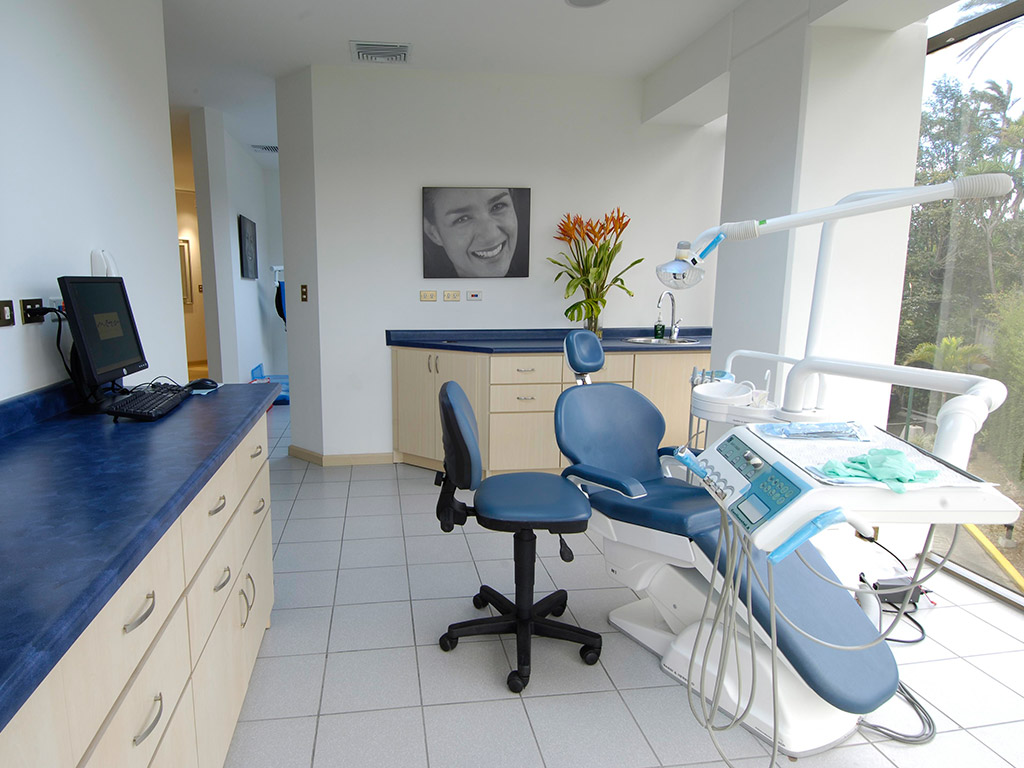
Meza Dental has not only conquered the stigma of serving overseas customers, it has proven it can cross cultural boundaries using smiles as a common denominator. The clinic treats patients who simply seek the best quality dental care available, and those with limited incomes who can’t afford quality dental care in their own country.

It appears Meza is trying to become the Carnival Cruise Line, or more aptly the Windstar, of upscale dentistry. It is doing so by scripting its business processes, employing an extensive list of protocols (that enable all Meza dentists to deliver extraordinary results time after time), and delivering exceptional treatment, service and care. This is what makes Meza both scalable and franchisable.

Reflecting on an incredible journey
Dr Meza recalls sitting in his room while studying in the US and thinking, “the
prices here are crazy! How can people afford to have any dental work done in the US? One day, I hope to open up a clinic in my home country and give everyone a beautiful smile, at a reasonable cost.”

Well, that’s exactly what he did. And it turned out to be a success story beyond his wildest dreams. Dr Meza is now revered by his peers as a leader in dental tourism, and as one of the most successful dentists in the Western Hemisphere. A continuous flow of success stories and media attention by the major news networks have placed Meza high on the charts.

His clinic has seen steady growth for more than 15 years, and even though there were some rough seas along the way, his crew has faced every storm straight on. And it has made Dr Meza’s staff, its clinic and the dental results it delivers extremely impressive.

But success has not spoiled Dr Meza. He has maintained a sense of humility, and doesn’t rest on his laurels. Perhaps this is why Meza’s numbers are off the chart for employee satisfaction, social responsiveness and patient satisfaction. Fortunately for Meza, savvy investors know these metrics translate into big profits, so expansion is just a matter of time and finding the right partner(s).

Many predicted the international waters would be too choppy for a vessel like Meza, but it has stayed the course. In fact, this unsuspecting crew has proven they can ride the crest of the waves, help raise the tide for other dental care providers in their marketplace, and make their patients feel like they are being pampered on the QE2.

And while Meza patients tend to be very private people, they are pleased to come out on deck and share the gift that keeps on giving – their incredible Meza smiles. Ask those who know, and they will tell you Meza smiles are like beautiful flags that are flown proudly around the world.

Running a tight ship
Dr Meza runs what may be referred to as the tightest ship in the dental tourism business. His clinic strives to be the “most improved” clinic each and every year, and appears to succeed at doing so. It does this by employing the fundamental tenets of continuous improvement.

The Meza Dental Care clinic attracts Hollywood stars and fashion models

Also, Meza has learned that practicing cosmetic dentistry is like piloting an aeroplane or a large vessel – checklists matter. And cosmetic dentists, like pilots and captains, know there’s very little room for errors in their trades. And they know passengers and patients alike are often critical and unforgiving of even the smallest errors.

Obviously, you can feel a bad docking or when waves break over the rails of your ship due to piloting errors, but when your dentist makes a mistake, you really feel it. Added to that, dental errors are often visible and affect one of the most important things you have – your smile.

And that’s the reality in dentistry – there is no hiding in the pilot house or cockpit. For better or worse, the results are there for you and others to see each and every day. Not so easily forgotten as a shaky landing or a poor docking. For this reason, sound protocols are essential to deliver “the goods” as they should be delivered.

And no one knows this better than Dr Meza and his staff. They prepare their clinic like they are getting ready to participate in the World Cup of Sailing or, more fittingly, the Dental Olympics. And most patients leave the dental chair with a perfect smile and rate Meza a 10 for service.

Travelling the Seven Seas
Today, dental tourism is a well-known and accepted alternative for people who can’t afford dental care in their own countries. But travelling abroad hasn’t always been such an easy choice for people to make. There have been concerns of quality of care, security in an unfamiliar country, and what happens if things don’t turn out as desired or expected.

Over time, these fears have been put to rest in grand part due to the track record of clinics like Meza. For years, people travelled to Costa Rica to save money, but Meza’s clientele these days are those who seek the best treatment, regardless of the cost. And if Meza lands the right partner or investor, there will be many more people with something to smile about in Europe.

Smooth sailing
One may ask how Dr Meza has been able to navigate such tricky waters. That’s easy. He has employed successful methodologies and protocols from top players in his field and others. This helps Meza differentiate its offerings and outperform its competitors, and has made Meza a household name in dental tourism.

“The King of Crowns”, as one of his employees affectionately refers to Dr Meza, recognised early in the game the value of setting high standards. That is why he studied Cosmetic Dentistry at UCLA, arguably the best dental school in the business. Then, he began working towards accreditation by the premiere authority in cosmetic dentistry, the American Academy of Cosmetic Dentists (AACD). Now, his crew of dentists has completed, or is working towards, the same education and accreditation.

Meza has also been approved by the Accreditation Association for Ambulatory Health Care (AAAHC). This was no small undertaking as the requirements are very stringent. Most clinics will never stand a chance at being approved, and Meza is proud of its latest achievement.

Celestial navigation
Dr Meza has learned there is a market for both his brand and for his specialty. Today, it is not uncommon to see Hollywood stars or fashion models in his waiting room. But it is more than just his technical skills and talented hands that keep these VIPs washing up on his shores in search of the perfect smile. It’s the people and processes behind the scenes that keep clients coming back and referring others.

To this end, Meza continues to hire the best talent available. In addition to its growing list of UCLA graduates, it boasts professionals from the crème-de-la-crème of medical universities, including Johns Hopkins and New York University. And as if that’s not enough, most of its dental assistants are dentists (DDSs) too.

A firm commitment to being the best it can be helps Meza deliver a level of service and dental restorations that other dental clinics cannot, and keeps it way ahead of the competition. Every time someone tries to follow in his wake, Dr Meza changes his sailing shoes or resets his spinnaker and soars ahead.

For further information contact mezadentalcare@mezadentalcare.com

Police join 3D technology revolution with crime scene scanner

Evidence collection at a crime scene has typically been a tricky process, with human error and limited time often compromising the credibility of data brought to criminal trials.

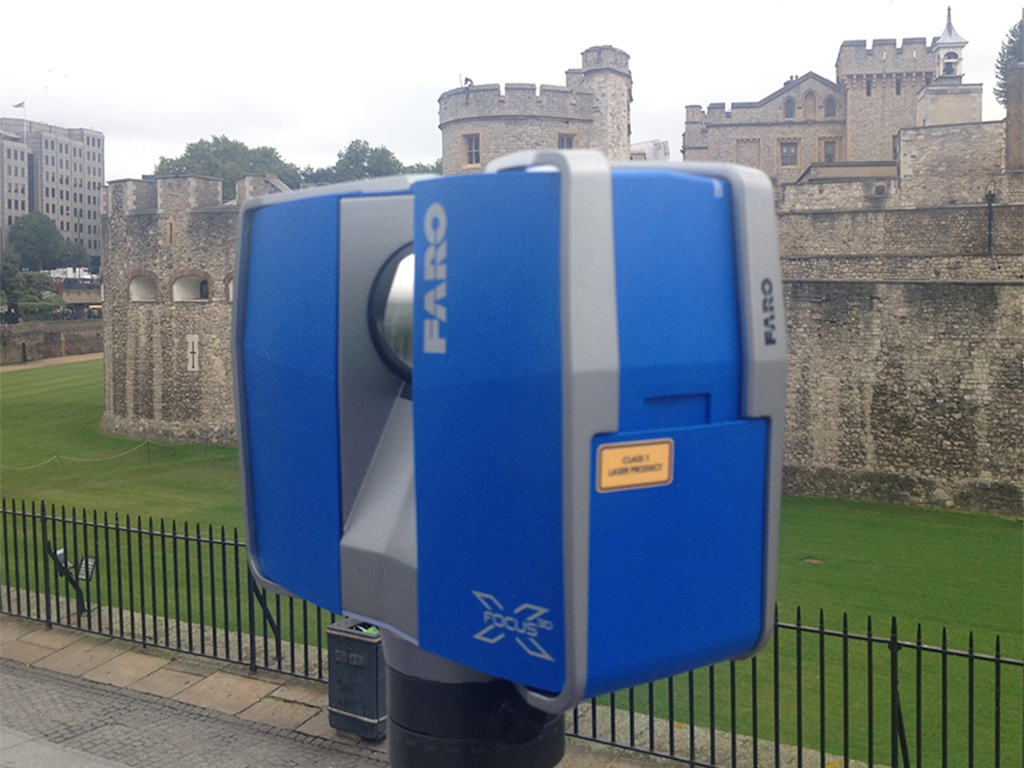
But one American company believes it has found the solution. FARO has developed a 3D scanner capable of recording each element of a crime scene in meticulous detail.

The scanner can calculate bullet trajectories, human height, and also has blood splatter analysis technology

Speaking on behalf of FARO, representative David Southam said “pretty much the major police forces in all different countries” were using the scanner “or specialist 3D forensic companies” to conduct investigations.

In the UK, the tool is being used mainly for traffic incidents, but it is also highly capable of recording more severe crimes, such as homicide. The scanner can calculate bullet trajectories, human height, and has blood splatter analysis technology. It can also demonstrate the perspective of both victim and offender.

A photograph of the FARO scanner, courtesy of the company

Each part of a scene should take around five and a half minutes to record – making the scanner far more efficient than traditional tools such as video cameras and tape measures.

Once the scanner has recorded images from a crime scene, they can be projected in a courtroom for a jury to examine.

Its creators hope the technology will allow police to put together a more comprehensive picture of a crime scene, and jurors to make better-informed decisions when a case is brought to trial.

The main advantage to the scanners is that crime data need only be recorded once, but can be revisited as many times as needs be. It also means that items of importance, which were not initially viewed as significant, can be inspected later in the day.

Asked whether the scanner was likely to evolve more, Southam said: “there might be additional things we add to the scanner which might add to the way the police work. Maybe a combination of other technologies with 3D scanning.”

Rotterdam’s water management gives rise to exceptional city

Rotterdam is becoming a safer and more attractive city, hard at work on a new infrastructure to protect itself against the changing climate. Its innovative and progressive approach to water management is having a visible effect – one that has not gone unnoticed. Scientists, policymakers and journalists worldwide are monitoring these developments closely. Rotterdam has managed to surprise everyone time and again with initiatives such as ‘water plazas’, clever water storage solutions and floating constructions.

Rotterdam is a low-lying delta city with water encroaching upon it from four different sources: changing groundwater levels, incoming water from rivers, increasing rainfall and rising sea levels. “Nowadays, the majority of the world’s population lives in cities, and that number is still on the rise,” says Pex Langenberg, who, as the Vice Mayor for Port, Sustainability and Mobility, is responsible for water management in Rotterdam. “Because cities are dealing with climate change and are places where a lot of people are living together in a small area, you have to be innovative with the available space.”

Every year, at least 25 international delegations visit Rotterdam to learn from its expertise in water management. “Rotterdam is a unique ‘testing ground city’, where there is the opportunity for businesses, scientists and educational institutions to collaborate and come up with innovative water management solutions that enable us to play a leading role in addressing the urban problems of this century,” says Langenberg. “Our unique approach means we are ready for the future.”

Can-do mentality
According to Langenberg, this is all part of Rotterdam’s can-do mentality: “It’s a city which is not afraid to enter into new adventures by making space for innovation and technology.”

This also has an economic component: “What we’re developing is also being exported. For instance, the engineering company Arcadis is currently carrying out similar projects all over the world.”

Piet Dircke, Global Director of Water Management at Arcadis, confirms this: “It’s in the cities that the money’s being earned, so cities need to have the right infrastructure and protect themselves against climate change.” He says Rotterdam is a textbook example of how to deal with changes to the climate.

“As a company, we’ve been reaping the rewards.” Arcadis has landed several contracts as a result, including ones in New Orleans and New York City. Dutch teams are also active in Ho Chi Minh City and Jakarta. “The pilot projects in Rotterdam, and the new expertise gained, have created an excellent export product for trade and industry.”

In addition, Rotterdam heads up Connecting Delta Cities, an international network of delta-based cities dealing with similar challenges. “Doing nothing is not an option: if we fail to take action now, things will go badly wrong in the future,” says Arnoud Molenaar, Project Manager at the Rotterdam Climate Proof programme. “To maintain Rotterdam’s position as one of the safest ports in the world, it’s essential to develop a clear vision for our management of water now.”

Creative solutions
Climate changes are bringing about an increase in the intensity of rainfall. Therefore, more water storage facilities are needed.

According to Molenaar, this is one of the biggest challenges Rotterdam faces: “We’ve developed many smart solutions, such as the construction of a rowing course on the outskirts of the city which at the same time functions as a water storage facility. In designing new neighbourhoods, we have also left more room for water.”

In the city centre, however, there is less space for surface water, demanding creative solutions, including the design of water storage facilities underneath and above car parks. Molenaar says: “Our pride and joy is the water plaza at Benthemplein. A grey and boring square has been transformed into an attractive outdoor space, which can be flooded periodically to accommodate heavy rainfall.”

As well as making the city more attractive, water plazas also increase safety and security. The project is a good example of public-private partnership, with local municipal authorities cooperating with central government, the Water Board and local businesses. In its ambitious approach, the municipality of Rotterdam is also mindful of the wellbeing of its citizens. The Roof Park (Dakpark) is a good example – this is a dyke in which shops are situated, while the green roof forms a public park. What used to be no more than a flood defence has become a premium leisure space for a large number of people.

“Creative water management improves the urban environment,” Langenberg concludes. What started as a necessary reaction to climate change has developed into an international showcase for smart water management involving all stakeholders. This allows Rotterdam to remain the most ecologically sustainable port city in the world.

Cooperation is crucial to a smart city

A smart city not only deals with data and IT in a smart way: other sustainable elements, such as the physical and social infrastructure, the environment and knowledge development, need to be in balance as well. Fred van Beuningen, Director of Rotterdam Partners says: “These are the foundation stones for a liveable city in which innovation and progress are key, and which is also an attractive place to live, work, study and stay.”

A smart city such as Rotterdam cannot exist without cooperation. As the promoter of the Rotterdam economy, Rotterdam Partners is ideally suited to bring all stakeholders together in creative coalitions. Van Beuningen says: “We’re looking for collaboration between local authorities and other entities in the city, for example entrepreneurs and housing corporations.”

According to Van Beuningen, these coalitions “are often project-based – you form a working party around a particular issue. They are also pragmatic – you have to work together with stakeholders who actually want to achieve something to help the city move forward. Don’t think in dogmas – think in solutions. Think in terms of cooperation rather than competition”. Rotterdam Partners can play a central role in this. “We understand the investment and societal agendas, which include various public-private cooperation goals,” says Van Beuningen.

“A city is a complex structure. Issues have to be fine-tuned collaboratively by looking at the system as a whole. A local government needs its partners for these solutions.”